 admin
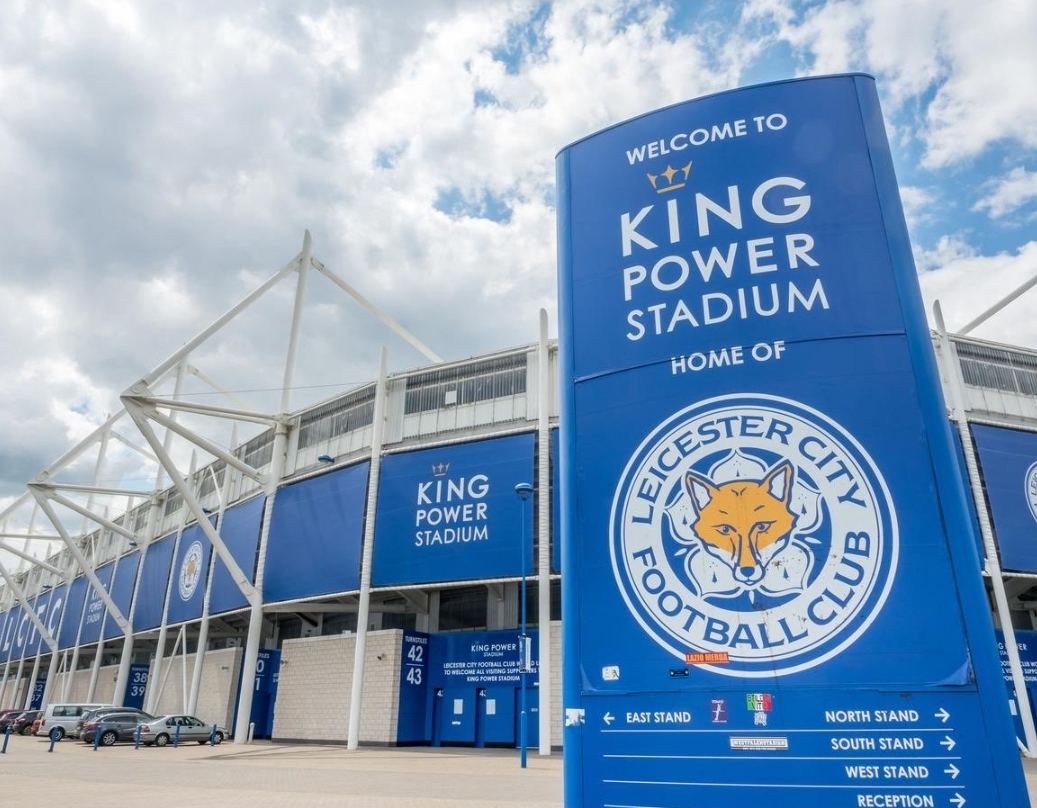
adminLeicester City’s ongoing decline has once again triggered heated debate among supporters as the club’s long-term issues continue to surface.
Poor recruitment, constant managerial changes, financial strain, and the loss of key leaders have all contributed to a slow collapse that was fully exposed after relegation.
Despite the highs of winning the Premier League and FA Cup in recent history, the Foxes have struggled to maintain stability, with performances on the pitch falling sharply and frustration growing across the fanbase.
The situation has only worsened following failed attempts to rebuild momentum at the top level.
Defensive mistakes, lack of consistency, and uncertainty behind the scenes have left Leicester searching for identity, with many fans questioning whether the club still carries the same ambition that once shocked English football.
The mood around the King Power Stadium has shifted from pride to pressure, with calls for accountability growing louder.
Amid the wider crisis, Kelechi Iheanacho has become the centre of a heated online debate, with supporters divided over his legacy at the club.
Since leaving Leicester in 2024, the Nigerian forward has endured a mixed spell abroad, including a difficult stint in Spain with Sevilla where he struggled for consistent minutes but remained a valued squad player in cup competitions.
Despite criticism of his long-term role, his statistics continue to fuel strong arguments in his defence.
Across his Leicester career, Iheanacho recorded around 97 goal contributions in approximately 120 appearances when adjusted for minutes played, mostly as a rotational or impact substitute.
He made 78 Premier League starts across seven seasons, averaging roughly five league goals per year, while often delivering stronger returns in limited game time around a goal or assist every 110 minutes.
What has truly reignited debate, however, are the fan reactions flooding social media:
“He was never the problem. Used wrongly for years but still delivered when called upon.”
“People forget he carried us in cup games. That FA Cup run doesn’t happen without him.”
“Super sub or not, his numbers are actually decent. We wasted his peak years on the bench.”
“He was part of the squad, not the star. Good player, but not consistent enough to build around.”
“Say what you want, but Leicester don’t win that FA Cup without Iheanacho. Simple.”
Supporters remain split, with some insisting he was underused and others arguing he became a long-term squad option who never fully nailed down a starting role. Regardless of opinion, the numbers and memories continue to fuel a growing reassessment of his time at the club.
For many, Iheanacho represents a wider reflection of Leicester’s recent era moments of brilliance, periods of frustration, and a lingering sense that more could have been achieved with better structure and consistency.


 Abdulhafiz Teslim

 admin
admin