 Abdulhafiz Teslim
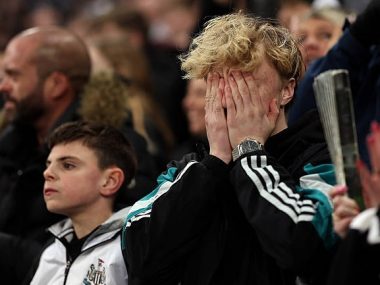
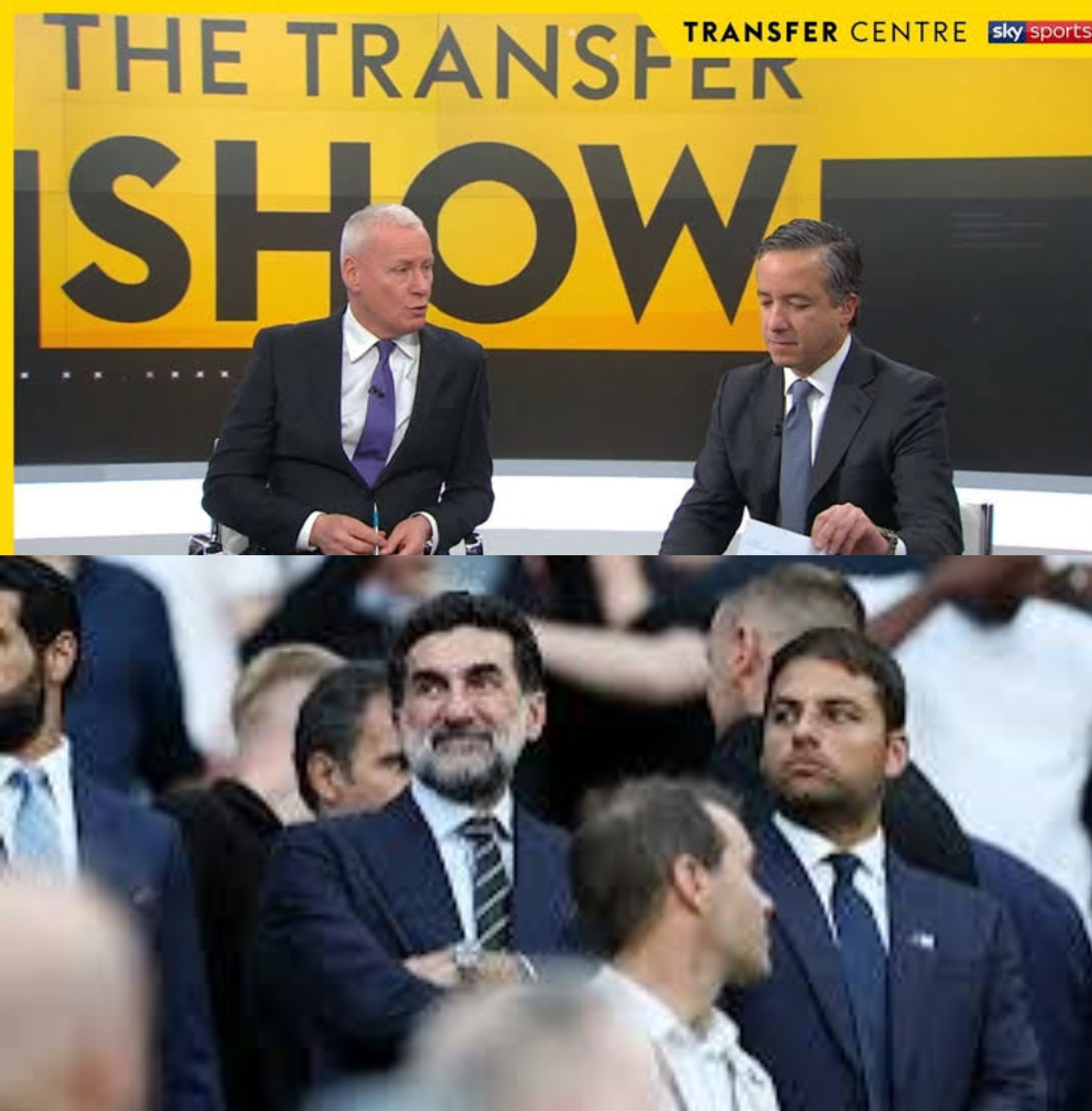
For much of the last year, Newcastle United supporters have been given the same explanation whenever questions were raised about transfer activity: the Premier League’s Profit and Sustainability Rules (PSR).
The financial regulations have repeatedly been cited as the main reason why the Magpies could not compete as aggressively in the transfer market as many fans expected following the arrival of PIF. Supporters accepted that explanation because the club appeared determined to avoid breaching the rules, even if it meant making difficult decisions.
However, recent analysis from financial experts has sparked a fresh debate.
If Newcastle’s financial position is now healthier than many previously believed, and if PSR is no longer the major obstacle it once appeared to be, then supporters naturally begin asking a different question. If the club can spend, why hasn’t it happened yet?
That question becomes even more significant when viewed alongside the changes already made to Eddie Howe’s squad.
Anthony Gordon and Sandro Tonali were both central figures in Newcastle’s recent progress. Losing players of that calibre would leave huge gaps in both quality and leadership. Add the continuing speculation surrounding Bruno Guimarães, and concerns among supporters become understandable.
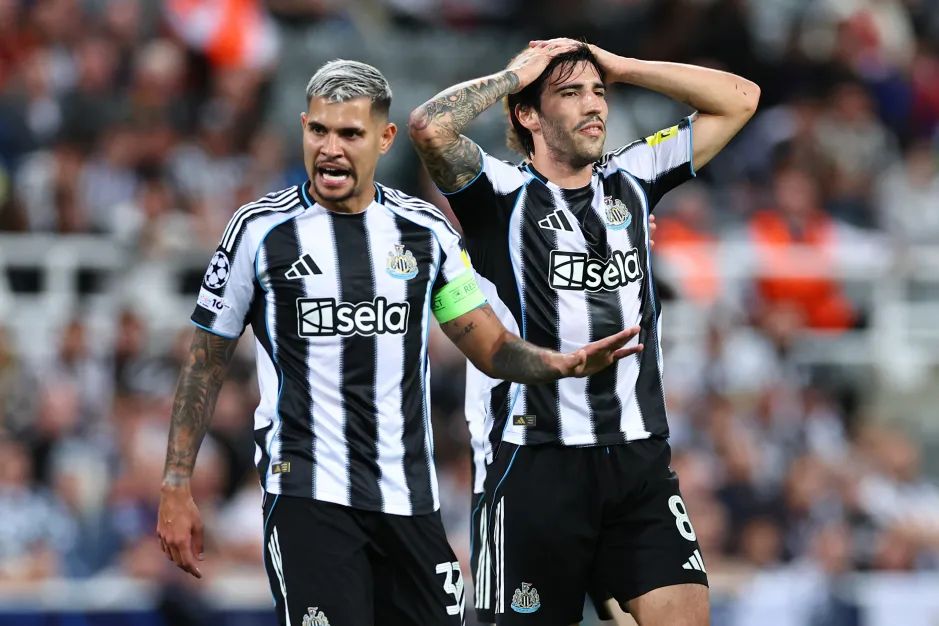
Replacing elite-level footballers is never easy.
Even when transfer fees are substantial, finding players capable of delivering the same influence on the pitch takes careful planning and decisive recruitment. Newcastle cannot simply assume younger talents will immediately bridge that gap.
The arrivals of Bazoumana Toure and Johan Manzambi certainly offer reasons for optimism.
Both are regarded as exciting prospects with significant potential, fitting Newcastle’s long-term recruitment model of investing in emerging talent before they reach their peak value. That strategy has clear benefits and could strengthen the squad for years to come.
But potential alone rarely guarantees immediate success in the Premier League.
After finishing 12th last season, Newcastle face enormous pressure to return to European competition as quickly as possible. That objective may require more than promising youngsters. It may also demand experienced, proven players who can improve the starting eleven from day one.
Meanwhile, Newcastle’s direct competitors continue moving forward.
Clubs challenging for European places are strengthening their squads each summer, recognising how competitive the Premier League has become. Every transfer window represents an opportunity either to close the gap or fall further behind.
Standing still is rarely an option.
That is why many supporters believe this summer could become one of the most important windows since the takeover.
The ambition presented when PIF acquired Newcastle centred around building a club capable of competing with England’s very best. Fans embraced that vision because it promised sustainable growth without sacrificing competitiveness.
Selling key players without adequately replacing them risks sending a very different message.
Supporters understand responsible financial management. They appreciate the need to work within Premier League regulations. What they find harder to accept is the possibility of weakening the squad if financial limitations are no longer the decisive factor.
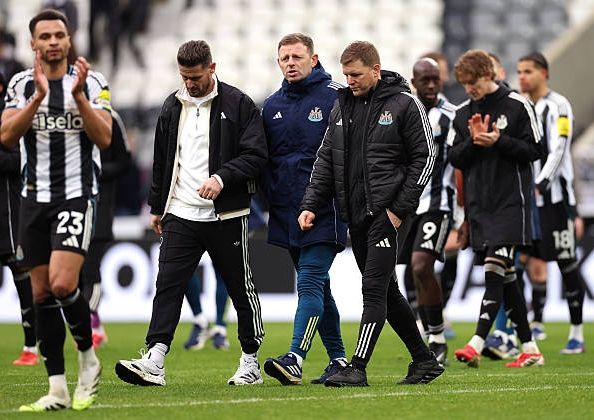
Ultimately, only Newcastle’s hierarchy knows exactly how much room exists in the transfer budget.
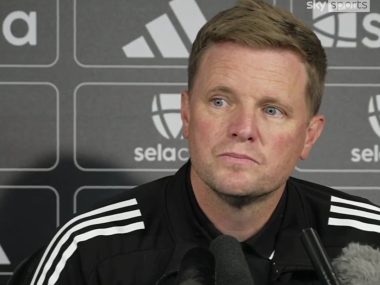
If opportunities arise to strengthen the squad while remaining compliant with PSR, supporters will expect the club to act decisively. Eddie Howe has consistently shown he can improve players and build a competitive team, but every manager needs the right tools to succeed.
The coming weeks could therefore shape not only Newcastle’s upcoming season but also supporters’ confidence in the club’s long-term direction.
Should the Magpies recruit wisely, replace the quality that has departed and add genuine first-team improvements, optimism could quickly return to St James’ Park. However, if another transfer window passes without significant reinforcement, difficult questions about ambition, strategy and future planning will inevitably grow louder.
For Newcastle United, the conversation is no longer simply about PSR.
It is about whether the club is prepared to match its long-term vision with decisive action in the present. As another crucial transfer window unfolds, supporters will be watching closely to see whether the ownership backs its promises with meaningful investment—or whether another season of missed opportunities lies ahead.


 admin
admin
 Abdulhafiz Teslim