 Abdulhafiz Teslim
FIFA are facing a huge crisis.
The 2034 World Cup in Saudi Arabia could become a nightmare for FIFA.
As was the case with Qatar 2022, the tournament is widely expected to be moved to the winter because of the extreme heat during the Middle Eastern summer.
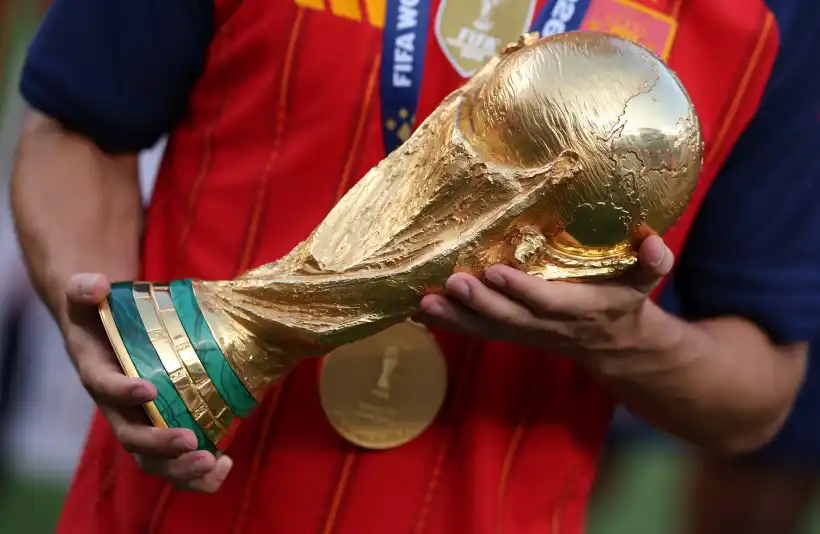
FIFA already has a logistical headache on its hands, with both the 2030 and 2034 World Cups presenting unique scheduling challenges. However, a report from American outlet Politico has highlighted several major calendar conflicts, describing the situation as an “unprecedented scheduling dilemma.”
If the 2034 tournament follows a similar November-to-December schedule to Qatar 2022, it would clash with Ramadan.
Dictated by the Islamic lunar calendar, Ramadan is currently expected to run from November 12 to December 12, 2034.
In Muslim countries such as Saudi Arabia, Ramadan has a significant impact on daily life, meaning matches would likely have to be played at night to respect local customs.
If FIFA also wants to avoid extending the tournament into Christmas, it would have very little room to fit in a competition that has already expanded to 48 teams and could even grow to 64 teams by 2030.
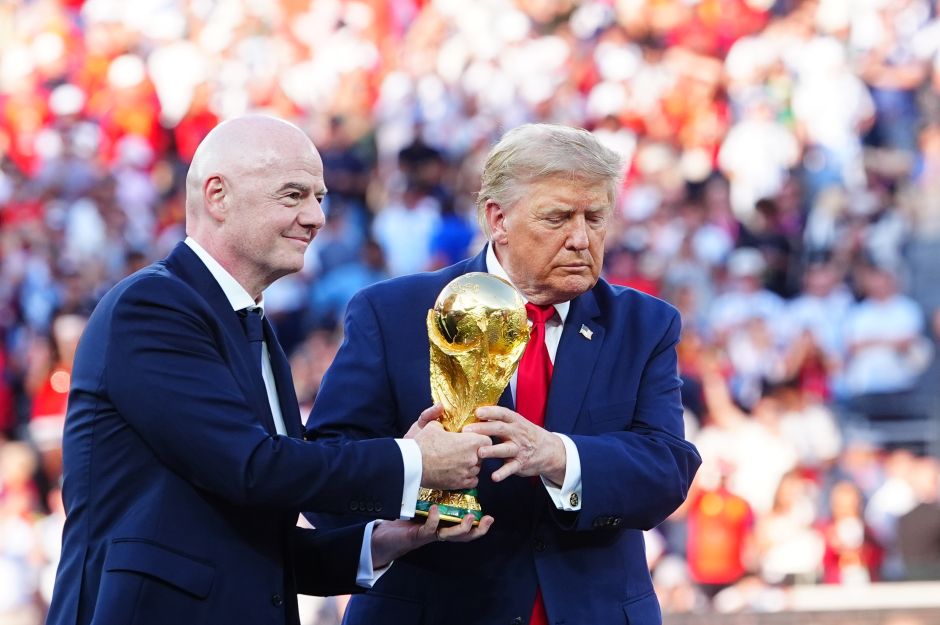
FIFA president Gianni Infantino has never shied away from logistical challenges.
The tournament could instead be staged earlier in the year, but that would create further complications. The Winter Olympics are scheduled for January and February, while Hajj is currently expected to take place in mid-February 2035, when millions of pilgrims will travel to Mecca.
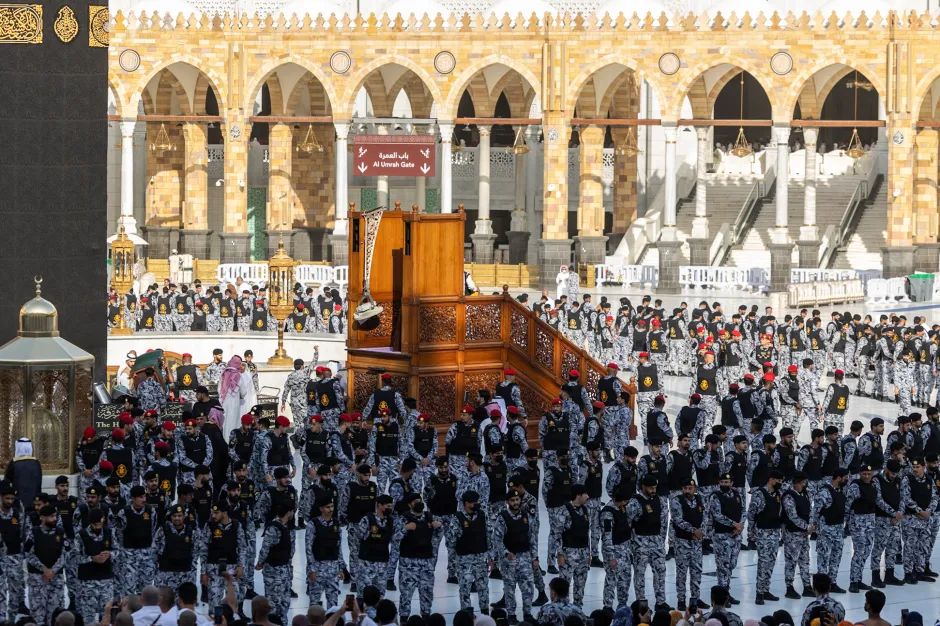
With temperatures expected to rise thereafter, FIFA could find itself caught between a rock and a hard place. That is before even considering the need to accommodate the schedules of domestic leagues and continental competitions around the world.
FIFA’s 2034 World Cup scheduling conundrum
Politico suggests that the period between Christmas 2034 and Hajj in February 2035 could be the most practical window.
After the 2026 World Cup was hosted by the United States, Canada and Mexico, the 2030 edition will be staged across six countries on three continents, with Morocco and Spain competing to host the final.
Gianni Infantino is also expected to seek another four-year term as FIFA president in 2027 and is widely anticipated to run unopposed, although opposition to his leadership—particularly from Europe—continues to grow.
UEFA president Aleksander Ceferin reportedly refused to attend Sunday’s World Cup final in protest over a number of controversies, with the final straw said to be the overturning of Folarin Balogun’s suspension.
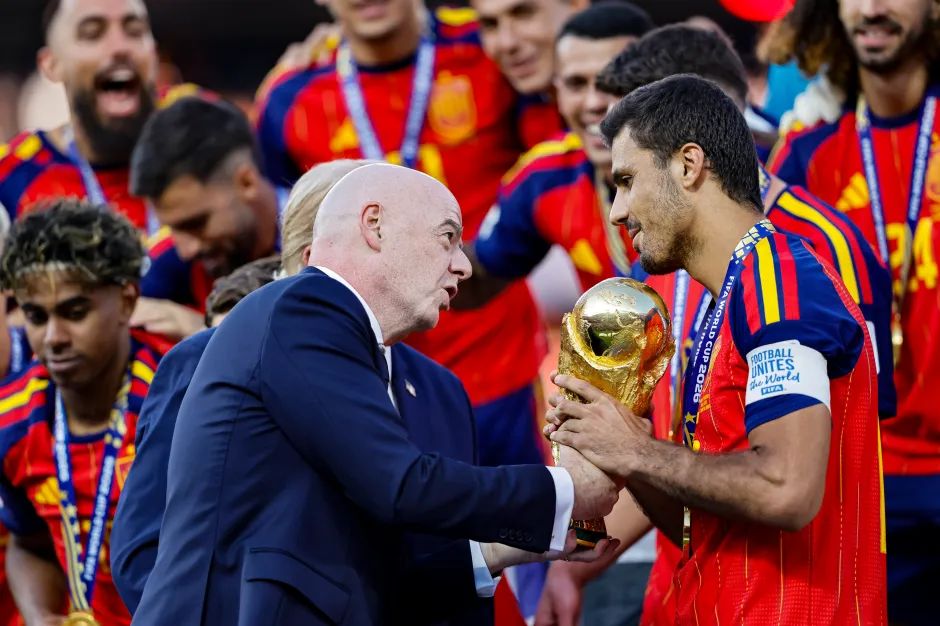
That could increase pressure from European clubs over any major scheduling changes for the 2034 World Cup.
There are also continuing concerns over Saudi Arabia’s human rights record, similar to those raised before the World Cups in Qatar and Russia.
FIFA insists it is making football more global and accessible.
Saudi Arabia is home to Islam’s holiest site, Mecca’s Masjid al-Haram (the Sacred Mosque). Maintaining that position could put FIFA officials in an awkward situation should future scheduling conflicts arise with important Islamic observances.
Extreme heat has already been an issue during the current tournament because of a severe heatwave, prompting Infantino to acknowledge that football’s traditional June-July calendar may need greater flexibility.
«“We are already into the nitty-gritty, we are discussing all the time,” he said in 2025. “It’s not just about one World Cup, it’s a general reflection.»
«“Even to play in some European countries in July it is very, very hot. The best month to play football, which is June, is not used very much in Europe.»
«“Maybe there are ways we can optimise the calendar, but we are discussing it and we will see when we come to some conclusions. We just have to keep an open mind.”»


 Abdulhafiz Teslim

 admin
admin