 admin
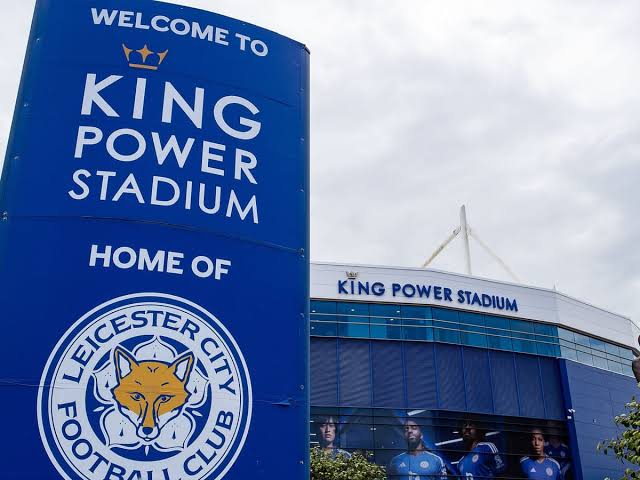
adminAs Leicester City slipped into the Championship’s bottom three, concerns have grown over the club’s financial stability and long-term direction.
What once looked like a temporary setback has now turned into a serious crisis, with fears of administration no longer dismissed as unrealistic.
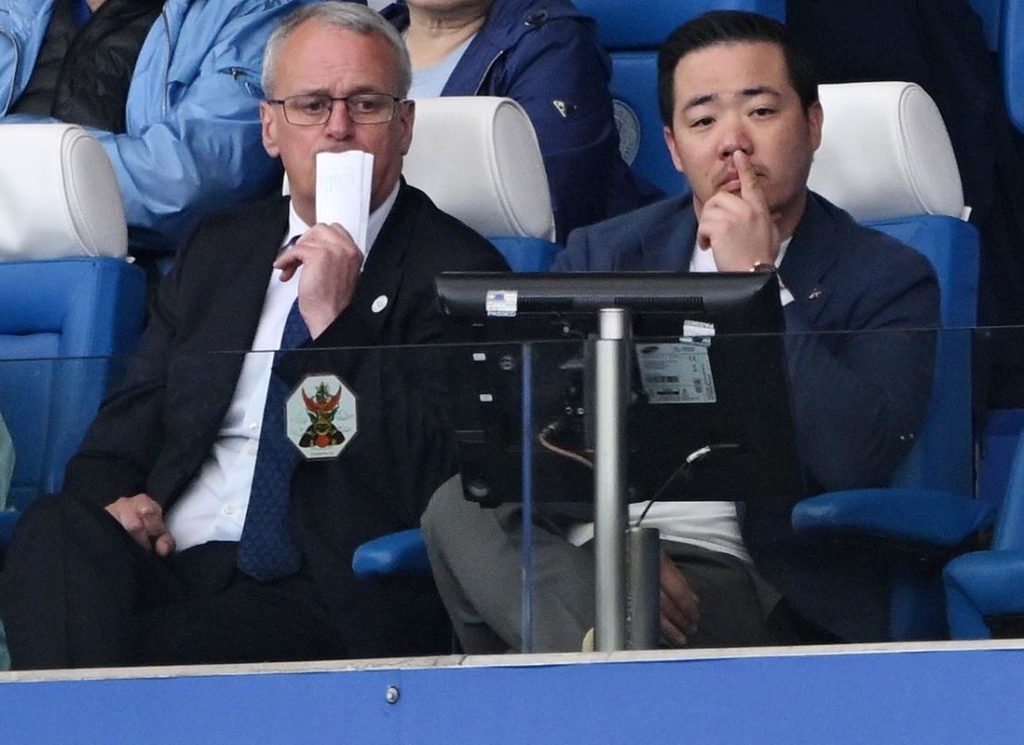
Supporters are increasingly questioning how a club that was recently competing at the highest level has found itself in such a fragile position.
Much of the frustration is now being directed toward the club’s recruitment structure, led by Jon Rudkin.
Critics argue that a series of poor decisions in player trading, contract management, and squad planning have significantly contributed to the current situation.
The failure to balance spending with sustainable revenue, particularly after relegation, has left Leicester exposed under profit and sustainability rules (PSR).
While PSR breaches do not automatically mean financial collapse, they highlight deeper structural issues. Leicester’s spending rose sharply after their 2016 Premier League triumph, but the strategy behind that growth is now being heavily scrutinized.
Recruitment has not consistently delivered value, and high wages tied to underperforming or unavailable players have only worsened the club’s financial strain.
The lack of timely squad restructuring following relegation in 2023 is another point of criticism.
Instead of aggressively resetting the wage bill and rebuilding with a clear long-term vision, the club held onto costly commitments that no longer matched its Championship reality. Many now see this as a key failure in leadership, with Rudkin’s role at the center of the debate.
Off the pitch, reliance on King Power has also come into sharper focus. The company’s well-documented financial challenges since the COVID-19 pandemic have raised concerns about its ability to continue supporting the club at previous levels.
This has made internal decision-making even more critical something fans believe has not been handled effectively.
Leicester have attempted to reduce costs, but significant financial pressure remains. The wage bill is still high for a Championship club, and the operational costs of maintaining top-tier facilities continue to weigh heavily. Without decisive changes, the risk of administration cannot be entirely ruled out.
Relegation to League One would further intensify the situation, reducing revenue and potentially making the club less attractive to investors.
It is this looming possibility that has amplified criticism of past decisions, with many supporters believing that stronger leadership could have prevented the club from reaching this point.
Leicester City now find themselves at a crossroads. Whether through structural changes, new investment, or a shift in leadership approach, the next steps will be crucial.
For many fans, however, the damage has already been done and accountability is now the central demand.


 Abdulhafiz Teslim


 admin
admin