 Abdulhafiz Teslim
UEFA Rejects Major FIFA World Cup VAR Rule Ahead of New Champions League Season
UEFA has confirmed it will not fully adopt one of FIFA’s most talked-about VAR protocols introduced during the 2026 FIFA World Cup, choosing instead to stick with a more conservative approach when European club competitions resume next season.
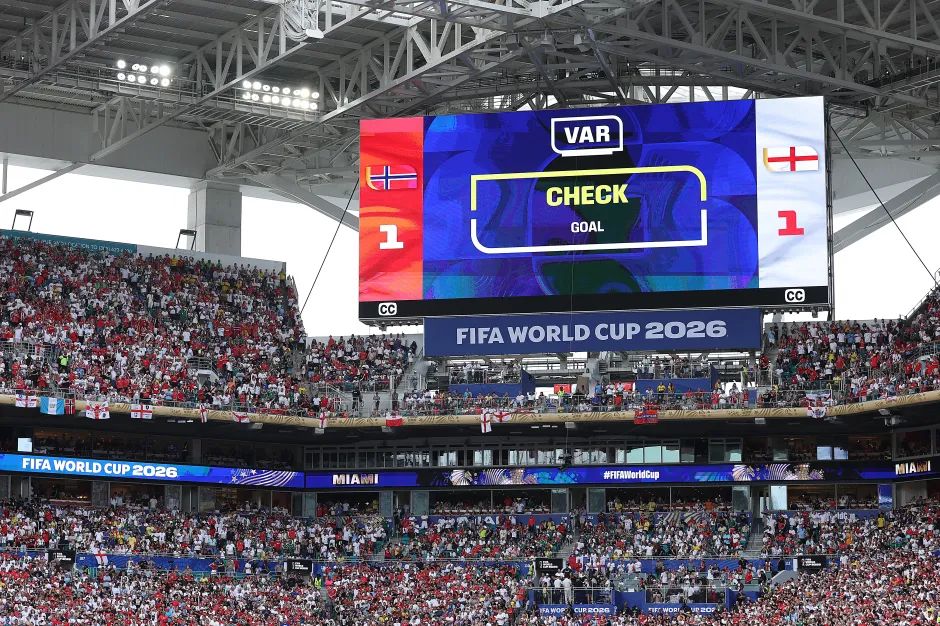
The decision means that some of the controversial video review procedures seen during the World Cup will not be used in the UEFA Champions League, Europa League, or Conference League, despite attracting widespread attention during the tournament.
One of the biggest changes trialled by FIFA was an expanded VAR protocol that allowed officials to intervene in cases of mistaken identity. Under the new approach, if a referee booked or sent off the wrong player following an incident, VAR could step in to identify the correct offender and ensure the appropriate disciplinary action was taken.
The protocol also allowed VAR to identify simulation (diving) in situations where a review for mistaken identity was already underway. FIFA believed the change would improve decision-making and help discourage players from attempting to deceive match officials.
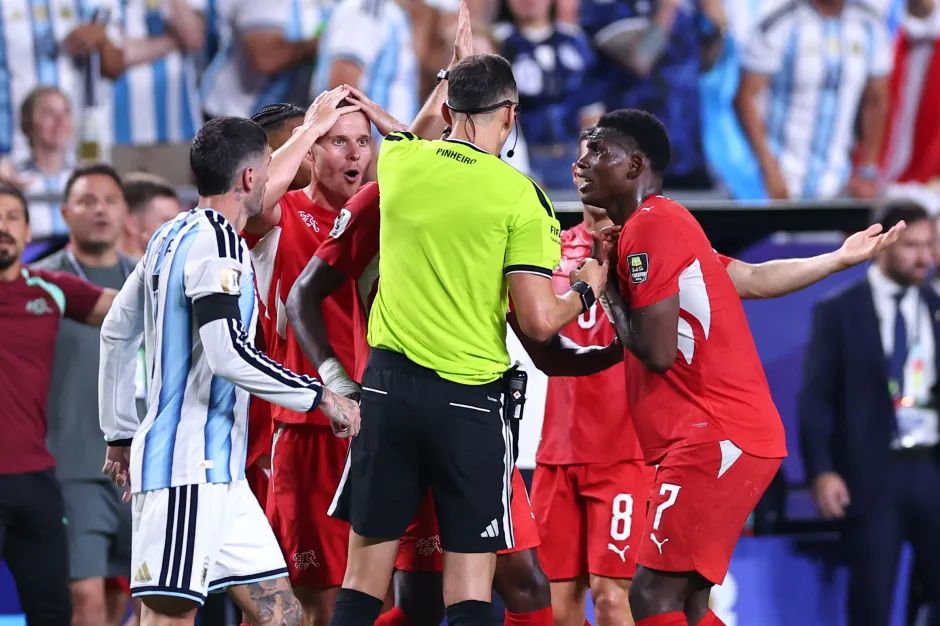
A high-profile example came during the World Cup quarter-final between Argentina and Switzerland, when Swiss striker Breel Embolo was dismissed after a VAR review concluded that he had initiated contact in an incident that initially resulted in Argentina midfielder Leandro Paredes being cautioned. Embolo, who had already received a yellow card earlier in the match, was shown a second booking and sent off, leaving Switzerland with ten men at a crucial stage of the contest.
Argentina capitalised on their numerical advantage, eventually winning 3-1 after extra time to progress to the semi-finals.
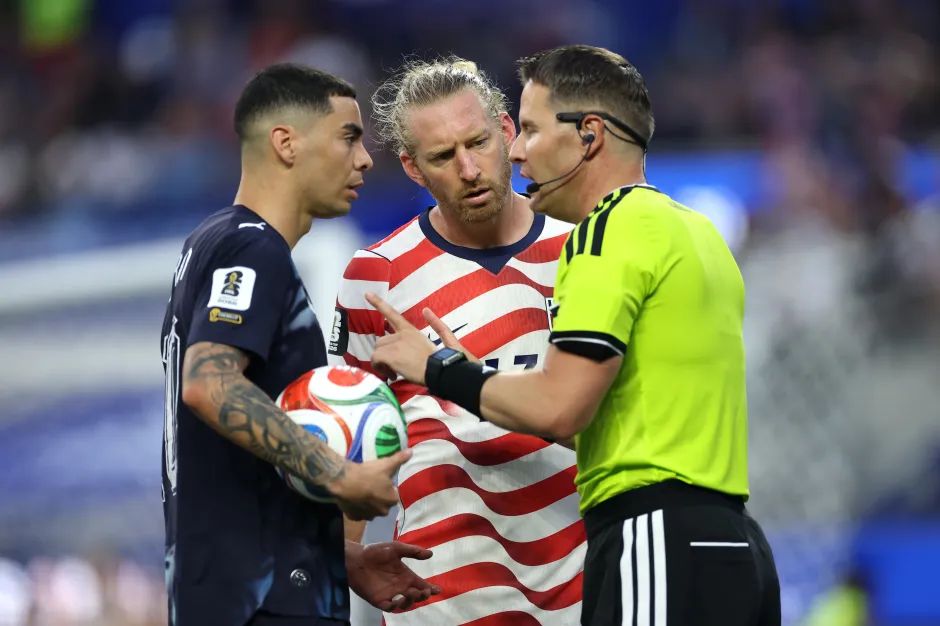
Another widely discussed incident occurred during the United States’ match against Paraguay. USA captain Tim Ream was initially booked for a challenge on Miguel Almirón, but following a VAR review, officials determined that Almirón had simulated the contact. Ream’s yellow card was rescinded, while the Paraguay star was instead cautioned for diving.
Although many supporters welcomed the stricter approach toward simulation, UEFA has now made it clear that it will not follow FIFA’s lead in European competitions.
According to reports, UEFA has instructed its VAR officials not to use the expanded protocol to identify diving, limiting reviews strictly to genuine cases of mistaken identity. European football’s governing body believes mistaken-identity decisions are objective and appropriate for VAR intervention, but it does not want reviews to be expanded into judging simulation in the same way seen at the World Cup.
UEFA has also confirmed that it will continue using VAR to review incorrect corner-kick decisions involving the last touch of the ball. However, unlike FIFA’s approach at the World Cup, those reviews will not extend to checking whether an offside offence occurred earlier in the attacking move.
Another notable difference concerns player conduct during confrontations. FIFA introduced a controversial measure allowing players to be dismissed for deliberately covering their mouths while arguing with opponents or officials, arguing that it could help prevent abusive, discriminatory, or offensive language from being concealed.
FIFA President Gianni Infantino defended the measure during the World Cup, insisting: “If you do not have something to hide, you don’t hide your mouth when you say something.”
However, UEFA has chosen not to implement that policy in its competitions for the upcoming season.
The governing body believes its existing disciplinary framework is sufficient and prefers to evaluate the impact of FIFA’s new measures before considering any similar changes in European football.
UEFA’s decision creates another distinction between the way VAR will operate in European club competitions and FIFA tournaments. While the World Cup served as a testing ground for several new officiating protocols, UEFA has opted for a more measured approach, focusing on consistency and limiting VAR intervention to situations where there is a clear factual error.
With the Champions League and other UEFA competitions set to begin in the coming weeks, referees and VAR officials will operate under these revised guidelines, ensuring that some of the World Cup’s most controversial innovations remain exclusive to FIFA competitions—for now.


 admin
admin
 Abdulhafiz Teslim