 Abdulhafiz Teslim
Newcastle United’s summer transfer window may have looked chaotic from the outside, but senior figures at the club insist there was a clear strategy behind many of the decisions that shaped the squad.
The Magpies underwent a huge transformation during the window, with Eddie Howe leaving his position as manager and Matthias Jaissle taking over, while several major first-team players departed.
Anthony Gordon, Sandro Tonali and Bruno Guimaraes all left the club, generating significant transfer income and allowing Newcastle to reshape their squad under their new manager.
The club also brought in a number of younger players as part of what sporting director Ross Wilson described as a long-term player-trading model.
Among the most notable additions was Belgian forward Matias Fernandez-Pardo, who arrived from Lille in a deal reportedly worth around £51m. The 21-year-old became one of Newcastle’s biggest investments of the summer and was identified as an important part of the club’s new attacking project.
However, his arrival was connected to another deal that initially appeared completely separate.
Nick Woltemade was allowed to leave Newcastle on a season-long loan to Juventus shortly before the transfer window closed. The German forward had only joined the Magpies in 2025 in a club-record deal reported to be worth £69m, but after struggling to establish himself consistently, he was sent to Italy for the 2026/27 campaign.
Now Newcastle’s hierarchy has revealed that the two deals were directly linked.
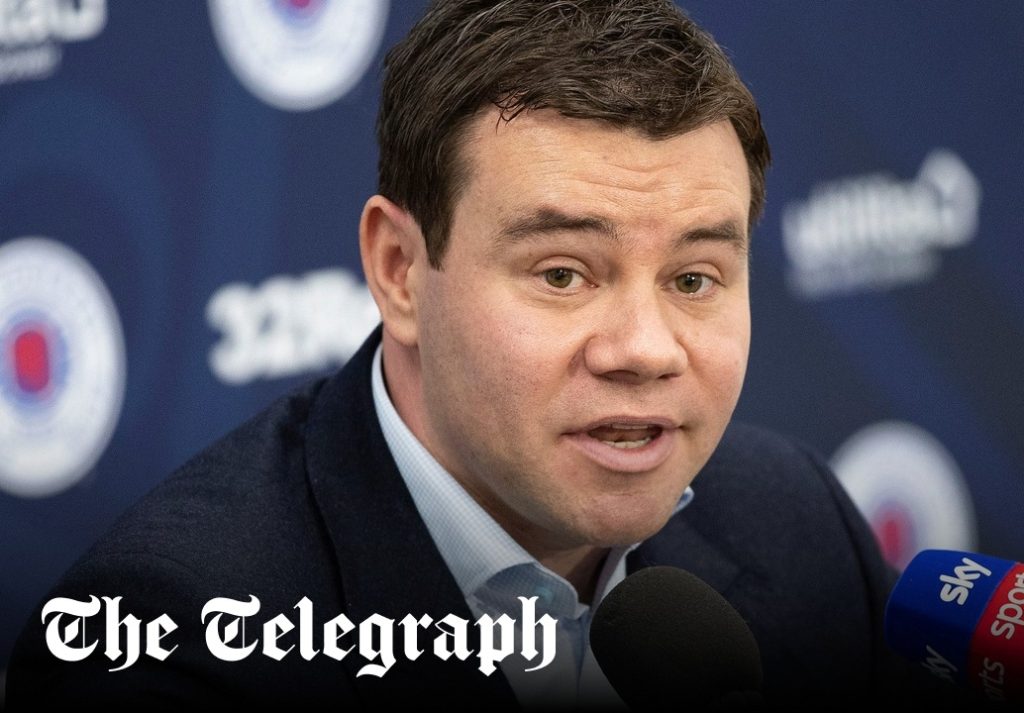
Speaking about the club’s transfer strategy, Wilson explained that the ultimate structure of the Fernandez-Pardo deal was only possible because Newcastle completed the Woltemade loan.
“Because we try to link things together, the ultimate deal for Matias Fernandez-Pardo was only possible because we did the Nick Woltemade deal to Juventus,” Wilson explained.
He stressed that this did not necessarily mean Fernandez-Pardo would have been impossible to sign under every other circumstance, but the Woltemade departure created the financial flexibility Newcastle needed to complete their preferred deal.
“If we didn’t do the Woltemade deal, we might have done another deal, but that’s what we mean by linking things together,” Wilson added.
Chief financial officer Simon Capper provided further insight into the internal discussions.
According to Capper, Newcastle’s financial planning meant that bringing in another major signing required the club to create something in return.
“So the conversation we were having internally was, ‘If you want to do that, you’re going to have to give me something back, otherwise we’ll be in a position we’re not comfortable with,’” Capper explained.
Newcastle ultimately managed to achieve that balance.
The revelation underlines just how carefully the club had to operate under Premier League financial regulations and UEFA’s financial rules. Newcastle’s hierarchy has made it clear that the club cannot simply spend without considering the wider consequences of every transaction.
Capper admitted that Newcastle still carry some financial risk, but insisted the club ended the transfer window in an acceptable position.
The summer therefore represented more than simply a change to the playing squad. It was part of a wider restructuring of the club’s transfer model, with Newcastle attempting to build a sustainable pathway toward their long-term ambition of becoming one of Europe’s leading clubs.
Wilson has also made it clear that player trading will remain a major part of Newcastle’s strategy.
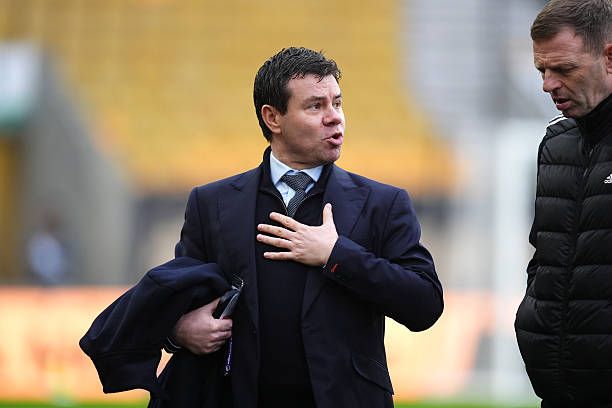
He believes that if clubs refuse to sell players when the right opportunities arise, they can eventually become trapped with an ageing squad and reduced financial flexibility.
That philosophy helps explain some of Newcastle’s biggest decisions this summer.
The departures of Gordon, Tonali and Guimaraes generated enormous sums, while the club reinvested heavily in younger talent including Fernandez-Pardo and Nico Gonzalez.
The Newcastle hierarchy believes the model can allow the club to remain competitive while staying within the increasingly demanding financial regulations governing the Premier League.
For supporters, however, the Woltemade decision may still raise questions.
The German arrived with enormous expectations following his expensive move from Stuttgart, but his Newcastle career did not develop as many had hoped. He eventually made 53 appearances for the club, scoring 11 goals and providing six assists across all competitions before the loan move to Juventus.
Now it has emerged that his temporary departure was not simply a footballing decision.
It was one piece of a much larger financial and sporting puzzle — and, according to Newcastle’s own decision-makers, it helped make the Fernandez-Pardo deal possible.
The message from the club is clear: Newcastle’s transfer strategy is no longer simply about buying the best available players.
Every incoming deal, outgoing transfer and loan can be connected to another part of the club’s wider financial plan.
And the Woltemade-to-Juventus move could prove to be one of the clearest examples yet of how Newcastle are attempting to balance ambition with financial reality.


 Abdulhafiz Teslim

 admin