Abdulhafiz Teslim
Messi’s Fiery Stand: The Hidden War Exploding Behind Closed Doors at FIFA HQ
In the glittering world of international football, where legends are made and hearts are shattered in 90 minutes, few names command as much respect, passion, and controversy as Lionel Messi. The Argentine maestro has danced his way through decades of brilliance, lifting trophies that once seemed impossible for his nation. Yet behind the trophies and the adulation, a storm has reportedly been brewing—one that threatens to rip apart the very fabric of the beautiful game. What started as a shocking on-pitch incident has snowballed into suspensions, outrage, and whispers of a brutal message from the GOAT himself directed straight at football’s governing body.
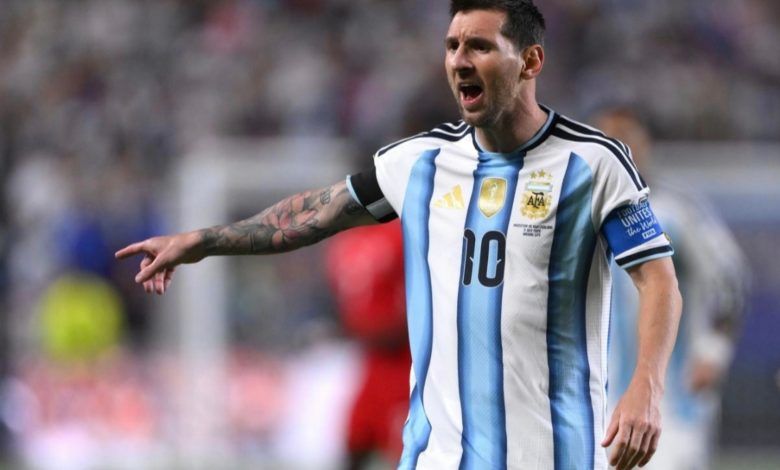
Football fans across the globe have been glued to their screens, dissecting every tackle, every referee decision, and every post-match interview. The tension between Argentina and England has always carried historical weight—from the infamous “Hand of God” to modern-day clashes filled with flair and fire. But this latest chapter feels different. Darker. More personal. And it all centers around a flashpoint that has left even the most seasoned pundits speechless.
Let’s rewind to that fateful match. The atmosphere was electric, the stakes impossibly high. Argentina, led by a still-influential Messi, faced off against a young, hungry England side packed with Premier League stars. The game itself was a rollercoaster—end-to-end action, breathtaking skill, and the kind of physical battles that make neutral fans wince. But one moment changed everything. An England star, known for his dazzling dribbling and leadership qualities, found himself on the receiving end of a challenge that allegedly crossed every line. What appeared to be a reckless tackle in real time has since been described by some observers as an outright assault after further scrutiny.
Social media erupted instantly. Clips circulated at lightning speed, slowed down frame by frame, with experts and amateurs alike debating intent, impact, and whether it warranted more than a simple yellow card. The player in question was taken off on a stretcher, sparking immediate concern for his well-being. Argentina’s camp maintained it was a heat-of-the-moment football incident. England supporters, predictably, saw red—literally and figuratively. Calls for justice flooded FIFA’s inbox, with hashtags trending worldwide demanding accountability.
What reportedly followed was a “shock review” that few expected. FIFA, under intense pressure from multiple federations and broadcast partners, was said to have launched an expedited disciplinary process. Video evidence, witness statements from officials, and even medical reports were reportedly re-examined. The outcome? Several Argentina players were reportedly hit with lengthy suspensions. The football community reacted with disbelief. How could such a decision come down so swiftly when other high-profile incidents seemed to drag on for months?
Pundits on major networks scrambled for airtime. Former players weighed in with divided opinions. Some praised FIFA for finally showing toughness against dangerous play. Others accused the organization of selective enforcement, pointing to past leniency in similar or even worse cases involving bigger European nations. Conspiracy theories flooded forums and group chats. Was this payback for Argentina’s recent successes? Political undertones? Or simply the pendulum swinging too far in the name of player safety?
The suspensions reportedly left Argentina’s upcoming fixtures in jeopardy. Without those players, the team’s rhythm, chemistry, and tactical identity faced a serious threat. Fans in Buenos Aires gathered in bars and streets, waving flags and chanting Messi’s name while demanding fairness. The captain himself, rarely one to court unnecessary drama, remained unusually quiet in the immediate aftermath, focusing instead on supporting his teammates privately and attending recovery sessions. But those close to the situation claimed the frustration was growing.
As the days turned into a whirlwind of speculation, reports began emerging from inside the Argentine camp. Insiders spoke of tense meetings, heated strategy sessions, and a growing belief that the governing body had overstepped. Messi, ever the leader who led by example on the pitch, was reportedly reviewing footage, consulting legal experts, and speaking with fellow professionals across different leagues.
This time, it seemed the gloves were off.
Rumors swirled about private communications, emergency calls between federation officials, and even the possibility of an appeal that could reshape disciplinary precedents. European media outlets ran endless segments questioning Argentina’s discipline, while many voices across Latin America framed the saga as another example of unequal treatment in world football.
Social media platforms became battlegrounds. #JusticeForArgentina trended alongside counter-hashtags from England fans. Celebrity supporters, retired legends, and current players posted cryptic messages that only fueled the speculation. Fans dissected Messi’s every Instagram story and training clip for clues.
The football community held its breath. With major tournaments on the horizon, any fracture in FIFA’s relationship with national teams could have ripple effects for years. Sponsors reportedly expressed concerns, broadcasters watched developments closely, and the suspended players continued training while appeals were prepared.
But the real bombshell was yet to come.
According to multiple reports, Lionel Messi had broken his silence in a strongly worded communication reportedly delivered through official channels. Those familiar with the alleged message claimed the eight-time Ballon d’Or winner questioned the consistency of FIFA’s disciplinary process, arguing that similar incidents involving other nations had resulted in far lighter punishments.
Reports further claimed that Messi emphasized player safety while criticizing what he viewed as a lack of transparency and fairness in the review process. He reportedly highlighted the impact on his teammates, their clubs, and the integrity of competition itself.
The reported message also called for reforms, including clearer guidelines for video reviews, greater transparency in disciplinary decisions, independent oversight, and stronger dialogue between FIFA and players before sanctions are imposed. Some journalists even suggested that Messi referenced previous controversial disciplinary cases as examples of inconsistency.
FIFA has not publicly confirmed the existence or contents of any such communication. Publicly, the organization has continued to emphasize its commitment to integrity and player safety while the reported appeals process continues.
The controversy has reignited broader debates about power in football. Who really runs the game—players, fans, or administrators? How do we balance player safety with the physical demands of elite competition? And in an era where global superstars wield enormous influence through social media, can even FIFA afford to ignore a voice like Messi’s?
For Argentina supporters, the issue is about defending their captain and their nation’s footballing reputation. For England fans, it is about protecting players from dangerous challenges. For neutrals, it has become another reminder of football’s unique ability to unite, divide, and generate endless debate.
As the appeals process unfolds, one thing is certain: reports surrounding Messi’s alleged message have pushed the controversy to another level. Whether it leads to meaningful reform or fades into football folklore remains to be seen.
The football world is waiting to see what happens next. Will FIFA listen? Or will this spark an even greater controversy that echoes through the next World Cup cycle? One thing is clear—the beautiful game has once again found itself at the center of a global debate.

 Abdulhafiz Teslim
 admin
admin